

As Malaysia’s National Month celebrations continue towards Malaysia Day, discover the stories etched into the country’s streets, buildings, flavours and traditions—and journey through a heritage that continues to live on.
There are places in Malaysia where history does not sit quietly behind glass.
It rises with the morning flag. It lingers in the arches of an old railway station, the faded façade of a shophouse and the call to prayer drifting across a historic street. It can be tasted in a bowl of noodles, heard in the rhythm of traditional music, and felt in the footsteps of generations who have walked the same streets before us.
This is the Malaysia of Merdeka.
As the National Month celebrations continue beyond 31 August and lead towards Malaysia Day on 16 September, the spirit of independence remains alive across the country. More than six decades after independence, Malaysia’s heritage continues to tell a living story—one shaped by Malay, Chinese, Indian, indigenous and many other communities, as well as centuries of encounters between Asia and the wider world.
And there is perhaps no better way to understand that story than to walk through it.
Begin Where a Nation Found Its Voice
Our journey begins in the heart of Kuala Lumpur.

At Dataran Merdeka, the vast green field opens before the magnificent Sultan Abdul Samad Building, its distinctive domes and clock tower standing as one of the city’s most recognisable landmarks. But look beyond the architecture and imagine the night of 30 August 1957.
As midnight approached, the Union Jack was lowered. At the stroke of midnight, the Malayan flag was raised, marking the country’s emergence into independence.
Just a short distance away stands Stadium Merdeka, where Tunku Abdul Rahman proclaimed the independence of the Federation of Malaya on 31 August 1957. His famous declaration of “Merdeka!” became an enduring symbol of the nation’s birth.
Today, visitors may see a historic square and an iconic stadium. But for Malaysians, these places represent something much deeper: the moment when a nation began to write its own chapter.
Kuala Lumpur: Where Old and New Meet
From Dataran Merdeka, continue through the city’s historic heart.

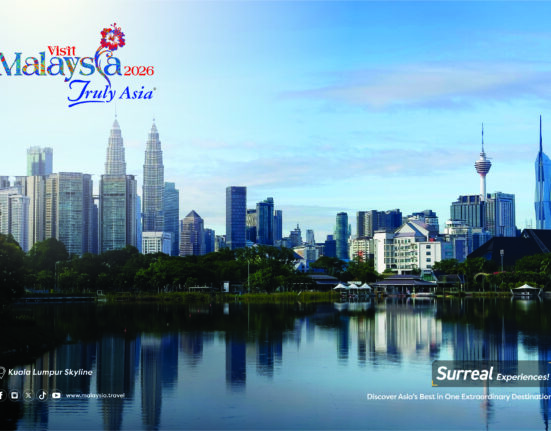
The charm of Kuala Lumpur lies in its contrasts. Modern skyscrapers rise beside colonial-era buildings. Traditional neighbourhoods sit within a bustling metropolis. Historic places of worship stand alongside cafés, galleries and contemporary spaces.
A visit to Muzium Negara, the National Museum, offers an opportunity to place these landmarks within the wider story of the country. Here, Malaysia’s journey can be explored through archaeology, traditional culture, art and the history of its people.


The lesson is simple: heritage is not only about preserving old buildings.
It is about preserving memory.
Melaka: Where the Straits Carried the World
From Kuala Lumpur, journey south to Melaka, where the story stretches much further back.

For centuries, the city flourished as a trading port along the Straits of Malacca. Merchants and travellers arrived from across Asia and Europe, bringing languages, beliefs, traditions and ideas that would become part of Melaka’s distinctive identity.
Today, the historic centre offers a remarkable opportunity to experience those layers of history on foot.
Walk through the red-hued buildings around the Stadthuys. Visit the remains of A Famosa, one of the city’s best-known historical landmarks. Follow the winding streets towards Jonker Street, where heritage shophouses now host cafés, galleries, antique shops and local businesses.
As evening falls, the streets take on another character. The scent of local food fills the air, bicycles pass by and the Melaka River reflects the lights along its banks.

Melaka and George Town were jointly inscribed as a UNESCO World Heritage Site in 2008, recognised for their exceptional multicultural heritage and centuries of cultural and trading exchanges between East and West.

Here, heritage is not simply something to admire.
It is something to experience.
George Town: A City That Lives Its Heritage
Continue north to George Town, where every street seems to reveal another layer of Malaysia’s multicultural past.

Established as a trading port, George Town developed into a meeting place for Malay, Chinese, Indian and European communities. Its heritage survives not only in grand buildings, but in its shophouses, religious sites, clan associations, markets, food and neighbourhoods.
Take a slow walk along Armenian Street. Admire the ornate architecture of Khoo Kongsi. Wander towards the Clan Jetties, where wooden houses extend over the water.
Then stop for a meal.
In George Town, food itself becomes a form of heritage. A single street can offer flavours shaped by generations of cultural exchange.

UNESCO describes George Town and Melaka as living testimony to multicultural heritage, expressed through architecture, religious buildings, ethnic quarters, languages, festivals, food and everyday life.
This is what makes George Town special.
It does not feel like a museum.
It feels alive.
Ipoh: The Quiet Elegance of the Old Town
For travellers who prefer a slower pace, Ipoh offers an intimate heritage experience.

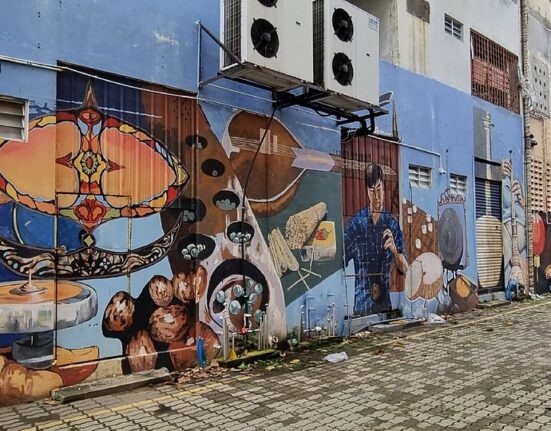
In the Old Town, rows of traditional shophouses line streets that invite exploration. Colonial architecture, colourful murals, old cafés and family-run businesses create a distinctive atmosphere.
This is a city best experienced without rushing.

Find a traditional coffee shop. Order a cup of Ipoh white coffee. Walk through the old streets. Look up at the architecture. Notice the details that might otherwise be missed.
Sometimes, the most memorable heritage experiences are the simplest ones.
Across the South China Sea: Sarawak’s Living Traditions
Malaysia’s heritage story does not end in Peninsular Malaysia.
In Kuching, Sarawak, the country’s cultural landscape takes on a distinctly Bornean character.

Stroll along the Kuching Waterfront and explore the historic centre, where buildings and landmarks reflect Sarawak’s varied past.
Then venture beyond the city to experience the state’s indigenous cultures and traditions. At places such as the Sarawak Cultural Village, visitors can gain a closer appreciation of traditional architecture, crafts, music, food and community life.

Here, the meaning of heritage becomes even broader.
It is not simply the preservation of the past. It is the continuation of traditions from one generation to the next.
Sabah: Heritage Beneath the Mountain Sky
Further east, Sabah offers yet another chapter.

Begin in Kota Kinabalu with a visit to the Sabah State Museum, then explore the cultural traditions of Sabah’s diverse indigenous communities.
At cultural destinations such as Mari Mari Cultural Village, visitors can discover traditional houses, crafts, food and customs that form part of Sabah’s rich cultural identity.
And beyond the cultural attractions, Sabah’s heritage is inseparable from its extraordinary landscape—from coastal communities to the foothills of Mount Kinabalu.
It is a reminder that Malaysian heritage is shaped not only by people and architecture, but also by the landscapes in which communities have lived for generations.
Heritage Is More Than a Landmark
Perhaps the greatest discovery on a Merdeka heritage journey is that heritage cannot be contained within a single building.
It is in the sound of a traditional instrument.It is in the craftsmanship of a handmade textile. It is in the recipe passed from a grandmother to her grandchildren. It is in the architecture of a centuries-old shophouse. It is in the languages spoken around a dinner table.

And it is in the everyday interactions between communities.
Malaysia’s UNESCO heritage sites demonstrate this beautifully. The country’s recognised heritage includes not only historic cities such as Melaka and George Town, but also archaeological and natural sites across Peninsular Malaysia, Sabah and Sarawak.
The result is a heritage landscape as diverse as the country itself.
Travel Slowly. Look Closely.
A heritage journey rewards the curious traveller.
Instead of simply photographing a landmark and moving on, take time to notice the details. Read the old signboard. Step inside a traditional shop. Speak to a local artisan. Try a dish you have never tasted. Listen to the stories of the people who call these places home.


This approach also matters for the future of heritage tourism. UNESCO’s work in Melaka and George Town highlights the importance of balancing tourism with conservation and ensuring that heritage remains meaningful to the communities who live there.
After all, the greatest heritage destinations are not frozen in time.
They continue to live.
A Journey Through Malaysia’s Story
From the historic heart of Kuala Lumpur to the trading streets of Melaka and George Town, from Ipoh’s quiet charm to the cultural landscapes of Sarawak and Sabah, Malaysia offers countless ways to walk through history.

Each destination tells a different story.
Together, they tell the story of a nation shaped by journeys, encounters and generations of people who have made Malaysia home.
This Merdeka, perhaps the best way to celebrate is to travel a little differently.
Take the scenic route. Walk the old streets. Taste the heritage. Meet the people. And listen to the stories.
Because when you travel through Malaysia’s heritage, you are not simply visiting the past.
You are experiencing a living Malaysia—one where history continues to shape the present, and where every journey offers another reason to say: this is Malaysia.