
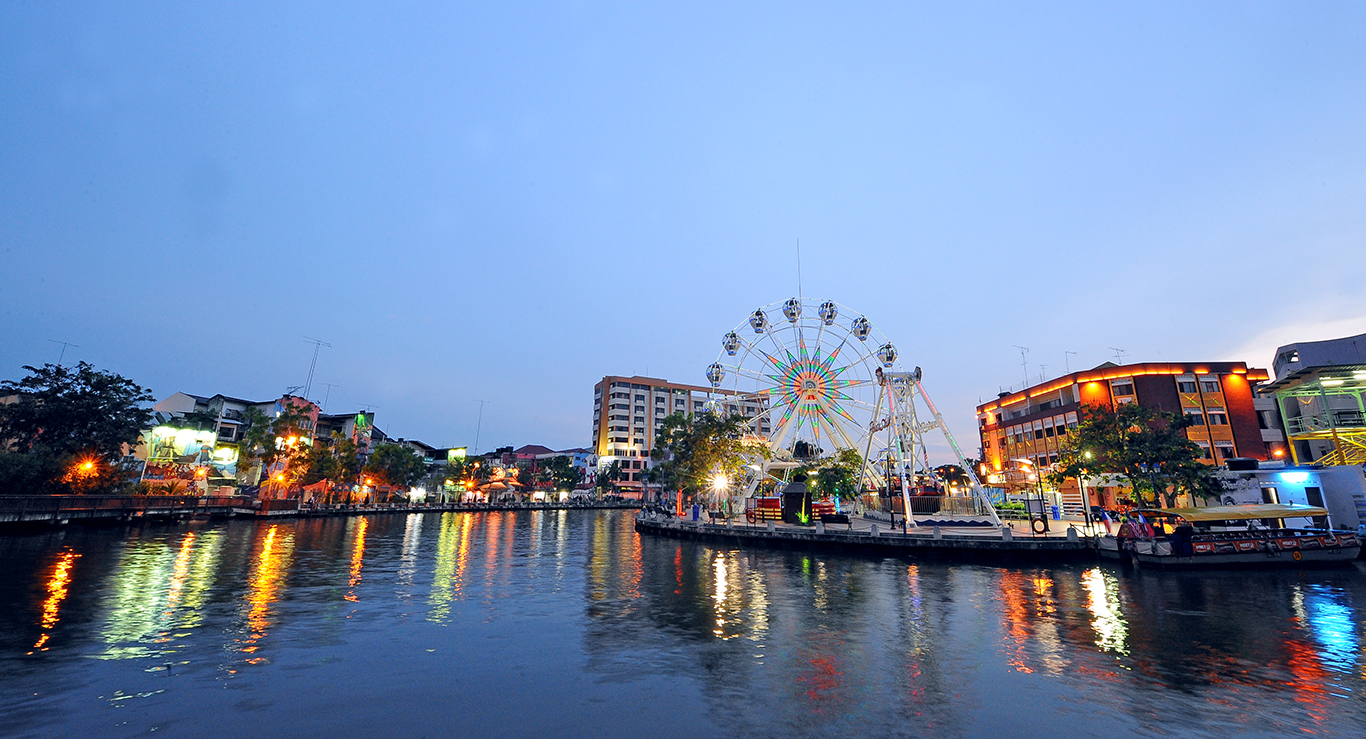
As a child, the winding streets and hidden corners of Melaka were a familiar escape for my family whenever we craved a change of scenery. Living just 30 minutes away in Muar, Melaka felt close enough to visit often, yet different enough to feel special. These trips were usually shared with family friends—Hokkien, Baba, Kristang, and Chitty aunties and uncles—who joined us in the joyful pursuit of food, stories, and small adventures.
In my memories of Melaka in the 1980s, the town thrived on modest businesses and unhurried rhythms. Trishaws were still a common mode of transport, gently weaving through streets with far less traffic than today. Riding one was not only practical but meaningful; my late father and I often did so to support friends and acquaintances who made a living this way.
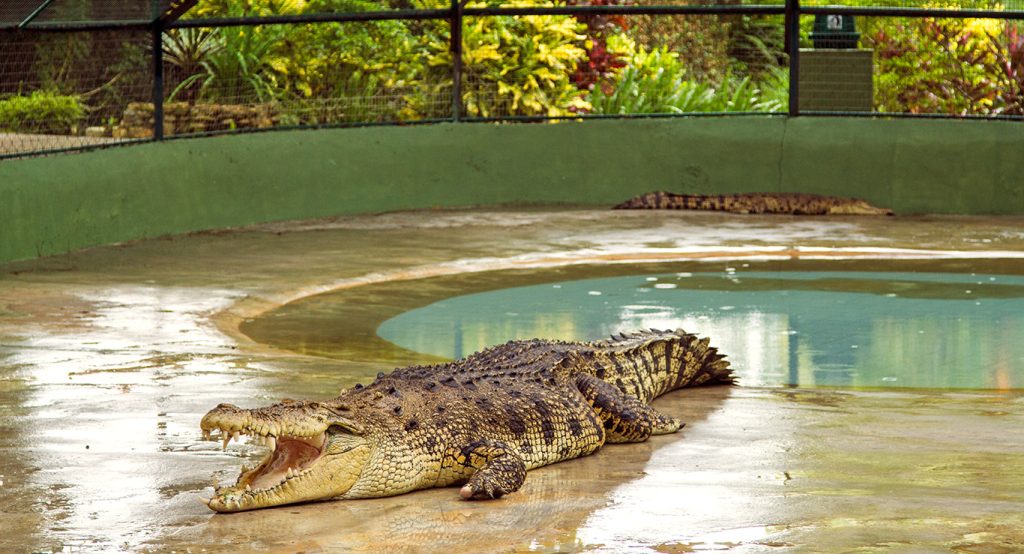
A childhood highlight was always a visit to Taman Buaya Melaka, a school-holiday ritual etched vividly in my mind. Opened in 1987 and located in the quiet suburb of Ayer Keroh, the crocodile park housed its residents in swamp-like enclosures resembling their natural habitat. I recall crying each time we had to leave, my mother tugging my hand away as I pleaded to stay longer—a memory that remains surprisingly clear even now.
A City Revisited
Today, as a city dweller, Melaka remains a place I return to whenever I can—sometimes for a quiet day trip, other times as a self-appointed tour guide for visiting friends. Improved highway links mean the journey now takes just a couple of hours, making it easier than ever to reconnect with this “old friend.”
Over the past decade, Melaka has transformed rapidly. The city has embraced its role as a cultural and tourism hub, particularly after being awarded UNESCO World Heritage Site status in 2008 for its centuries-long history. One striking example is Kampung Morten, now nestled among modern infrastructure. Once a sleepy riverside settlement, it has evolved into a celebrated heritage village.
My favourite time to visit Kampung Morten is during Hari Raya, when the village glows with festive lights—though it remains colourful and charming year-round. Just a 15-minute walk north of the city centre, it is easily accessible. One highlight here is Villa Sentosa, a traditional Malay wooden house opened to the public as a private living museum. Inside, visitors can explore Malay costumes, antique furniture, embroidery, muskets, and treasured family relics. For those seeking a deeper experience, homestays are also available.
Harmony Street: Where Faiths Coexist
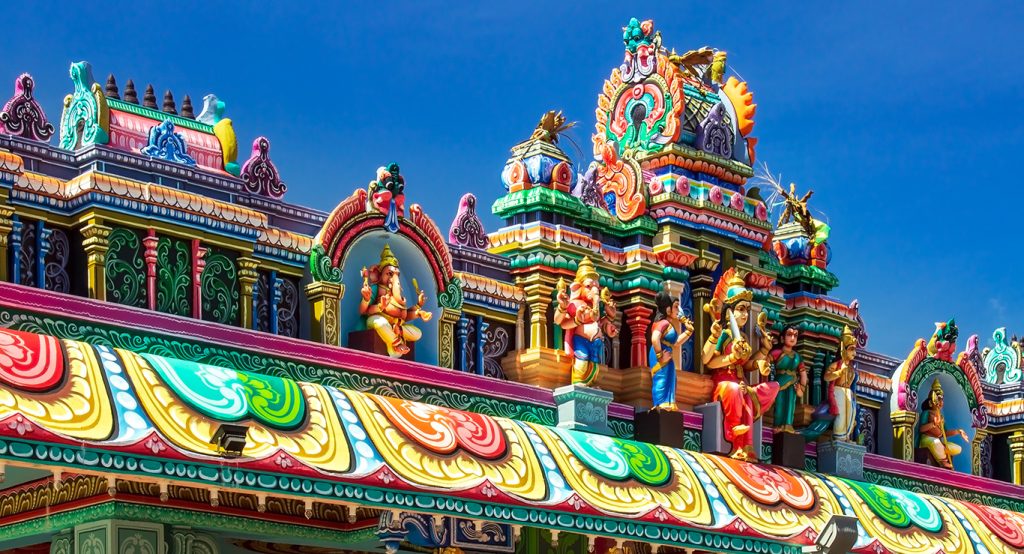
One of my favourite places to walk is Jalan Tukang Emas, also known as Harmony Street. Running parallel to the bustling Jonker Street, it is quieter yet infinitely rich in meaning. Along this single stretch stand three houses of worship that have coexisted peacefully for centuries: Sri Poyyatha Moorthi Temple, Kampung Kling Mosque, and Cheng Hoon Teng Temple.
I often begin my walk at Sri Poyyatha Moorthi Temple, the oldest Hindu temple in Malaysia. Over a meal of asam pedas, a family friend once told me that it is one of the few remaining Chitty temples, built in 1781 by Chitty leader Thavinayagar Chitty after the community arrived in Melaka for trade. Its understated design—three rows, each adorned with a single deity—is believed to reflect Dutch influence, especially since the Dutch donated the land.
Further down the road lies Kampung Kling Mosque, partially hidden behind high walls yet instantly recognisable by its towering minaret. My late father once told me that the minaret also served as a lighthouse, guiding merchant ships through the Straits of Malacca. He loved stopping here for prayers, often reminding me how serene the mosque felt despite being in the middle of a busy street.
Just beyond rows of Chinese shophouses stands the majestic Cheng Hoon Teng Temple. Awarded a UNESCO Award for Outstanding Architectural Restoration in 2003, it never fails to impress. Dedicated to Kuan Yin, the Goddess of Mercy, the temple is also known as The Merciful Cloud. Its dark timber beams and intricately carved woodwork dominate the space.
Living Traditions & Lingering Cultures
Tucked among these historic streets is Wah Aik Shoemaker, a family-run business that has survived three generations. Once located on Jalan Tokong and now relocated to Jalan Tun Tan Cheng Lock, the shop is famed for being one of the last to specialise in bound-feet shoes—a relic of ancient Chinese tradition. Today, these shoes are mostly crafted as decorative pieces or souvenirs, alongside beautifully beaded Peranakan shoes.
Another place I love sharing with foreign friends is Kampung Portugis in Ujong Pasir, also known as St. John’s Village. Home to the Kristang community, descendants of Portuguese settlers and local Malays, the village holds a special place in my heart. Memories flood back of being welcomed by a family friend dressed in kebaya kumpridu, hearing the lively strains of Jingkli Nona—the unofficial Kristang anthem—and enjoying Portuguese-style otak-otak and grilled fish drenched in spicy sauce.
Where History Lingers
No reflection on Melaka feels complete without mentioning the ruins of St. Paul’s Church, perched atop St. Paul’s Hill. Built by Portuguese captain Duarte Coelho in gratitude to the Virgin Mary after surviving a storm, the roofless church is now entwined with ferns and silence. A short climb leads to cooling sea breezes and views steeped in history. The armless statue of St. Francis Xavier adds an eerie charm, while engraved Dutch tombstones lining the walls remind visitors of Melaka’s layered colonial past.
Though I have never been fond of cemeteries, these epitaphs feel different. They are vital fragments of a story that continues to shape the soul of Melaka.
All these places personify what makes Malaysia extraordinary—diverse cultures, faiths, and people coexisting harmoniously. It is a legacy that cannot easily be found elsewhere, and one that my family, friends, and I will always treasure.
#Melaka #Heritage #Architecture #CulturalHarmony #UNESCOWorldHeritage #MalaysiaTrulyAsia