
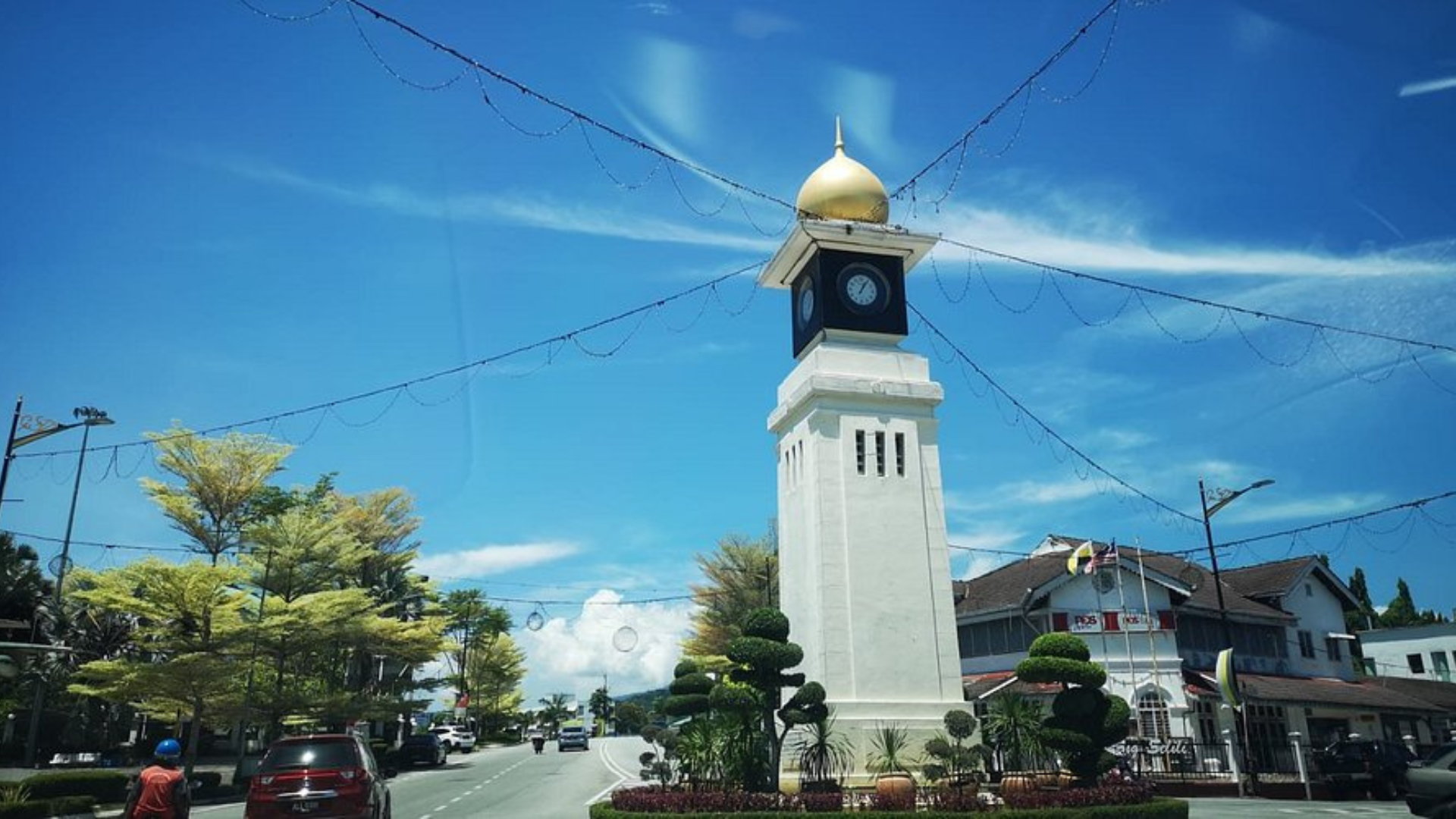
For travellers seeking to discover the royal, cultural, and artistic soul of Malaysia, Kuala Kangsar offers an unforgettable journey through the heritage of Perak. Known as the royal town of the state, this charming destination is where grand palaces, iconic mosques, traditional crafts, riverside scenery, and local community life come together in one meaningful experience.
Nestled along the banks of the Perak River, Kuala Kangsar is more than a historic town. It is a living reflection of Perak’s royal legacy, where centuries-old traditions continue to be preserved through architecture, craftsmanship, food, stories, and everyday life. With its peaceful atmosphere and rich cultural character, the town invites visitors to slow down, explore, and appreciate a side of Malaysia that is deeply rooted in heritage.
As the royal capital of Perak, Kuala Kangsar holds an important place in the state’s identity. The town has long been associated with the Perak royal institution and remains home to several significant landmarks that represent the dignity, history, and traditions of the Sultanate. Visitors will find that each landmark tells a different part of the story, from royal ceremonies and Islamic architecture to traditional Malay craftsmanship and colonial influences.
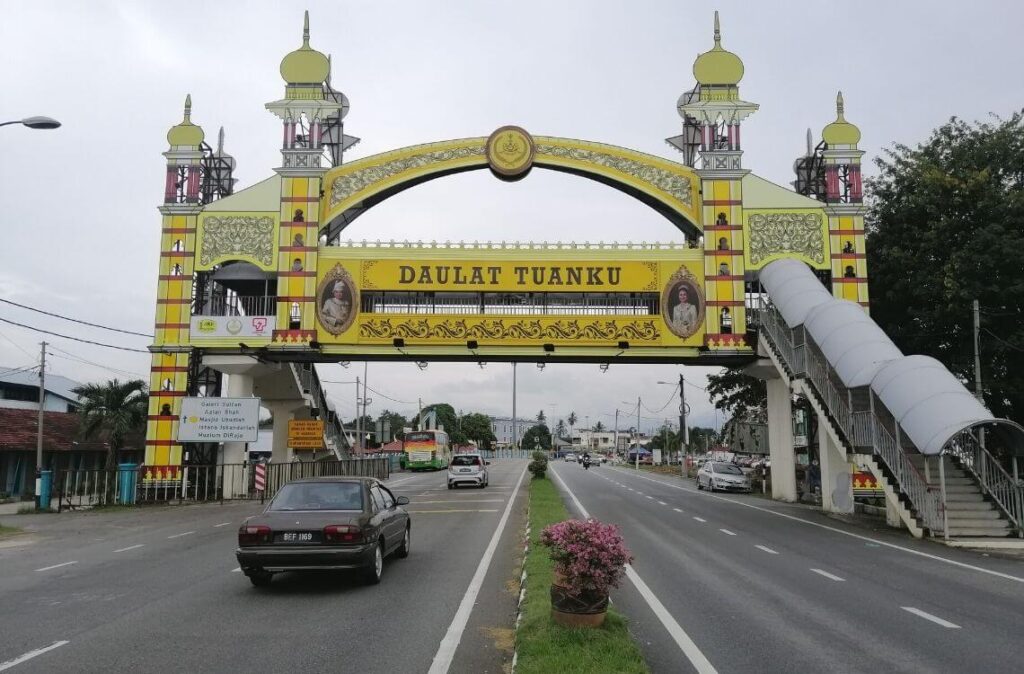
One of Kuala Kangsar’s most recognisable landmarks is the magnificent Ubudiah Mosque. Admired for its gleaming golden domes and elegant Moorish-inspired design, the mosque is widely regarded as one of the most beautiful places of worship in Malaysia. Its graceful minarets, detailed exterior, and impressive domes create a striking sight against the surrounding greenery, making it a must-visit attraction for photography enthusiasts, architecture lovers, and cultural travellers alike.
Beyond its visual beauty, Ubudiah Mosque represents the deep connection between faith, history, and royalty in Perak. The mosque remains an important symbol of the town’s spiritual and cultural heritage, offering visitors a chance to appreciate the refined artistry and architectural traditions that have shaped Malaysia’s Islamic landmarks.
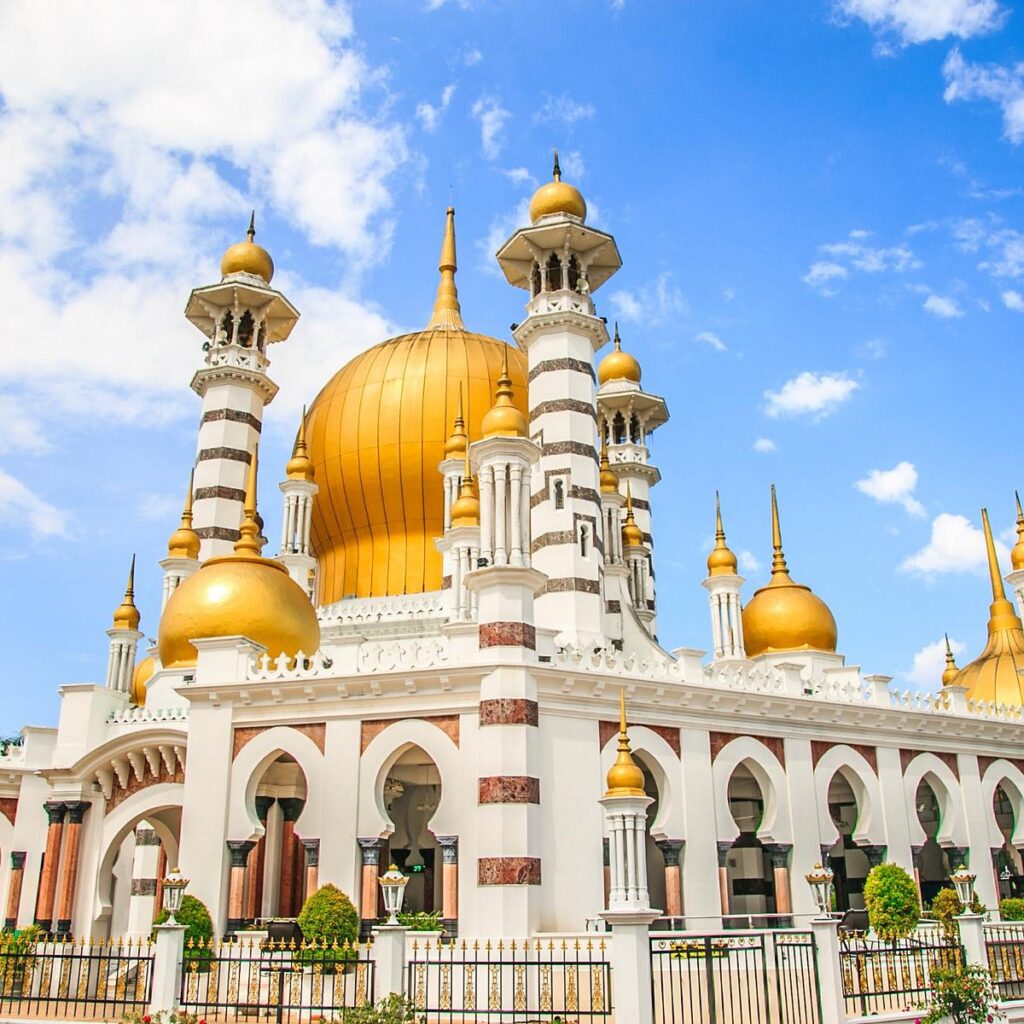
Located nearby is Istana Iskandariah, the official royal palace of the Sultan of Perak. While the palace is not generally open for public entry, its impressive exterior and prominent setting make it one of Kuala Kangsar’s most important royal landmarks. The palace stands as a powerful reminder of Perak’s continuing royal institution and its role in preserving the state’s traditions.
The elegant architecture of Istana Iskandariah reflects the grandeur of Malay royal design, combining traditional influences with refined modern features. Together with Ubudiah Mosque, the palace forms part of the town’s distinctive royal landscape and highlights why Kuala Kangsar remains such an important cultural destination in Malaysia.
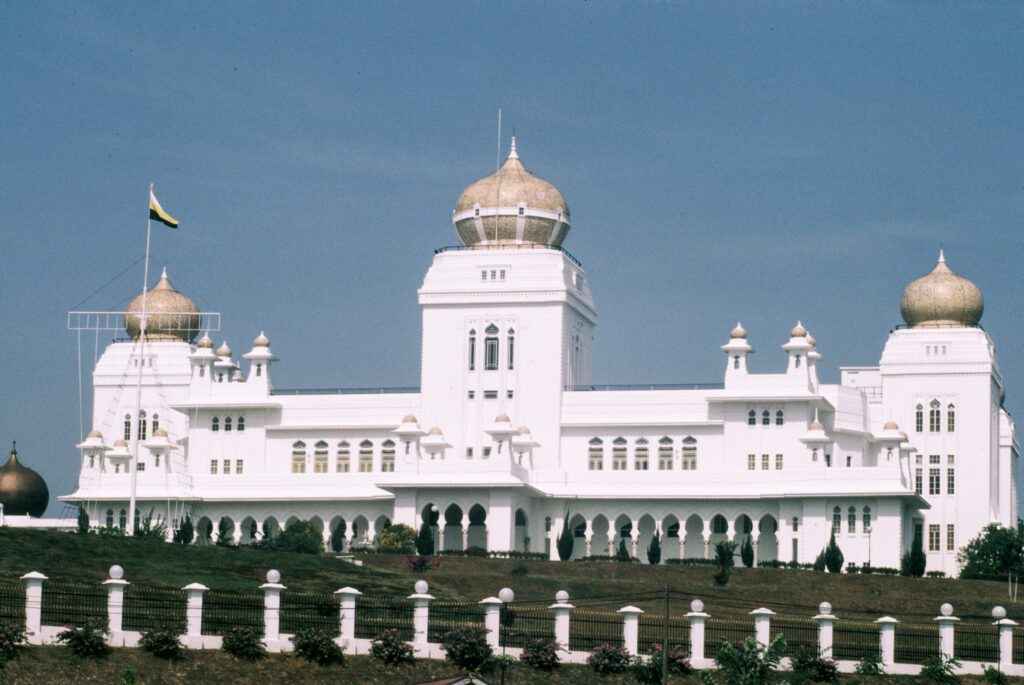
Beyond its royal monuments, Kuala Kangsar is also celebrated as the birthplace of Malaysia’s traditional labu sayong pottery. These distinctive black clay water pitchers are among the most recognisable handicrafts in the country and have become an enduring symbol of Perak’s artistic heritage.
Traditionally used to store and cool drinking water, labu sayong is valued not only for its practical purpose but also for its elegant shape and handcrafted beauty. Each piece is made through a detailed process that involves shaping, drying, firing, and finishing the clay using techniques that have been passed down through generations of skilled artisans.
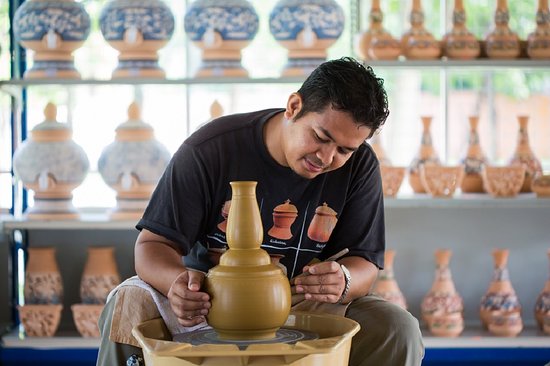
Visitors to Kuala Kangsar can explore local workshops and craft centres to learn more about the art of making labu sayong. Watching artisans shape the clay by hand offers a deeper appreciation of the patience, skill, and knowledge involved in preserving this traditional craft. For many visitors, bringing home a labu sayong is more than purchasing a souvenir; it is a way of carrying a piece of Malaysian heritage home.
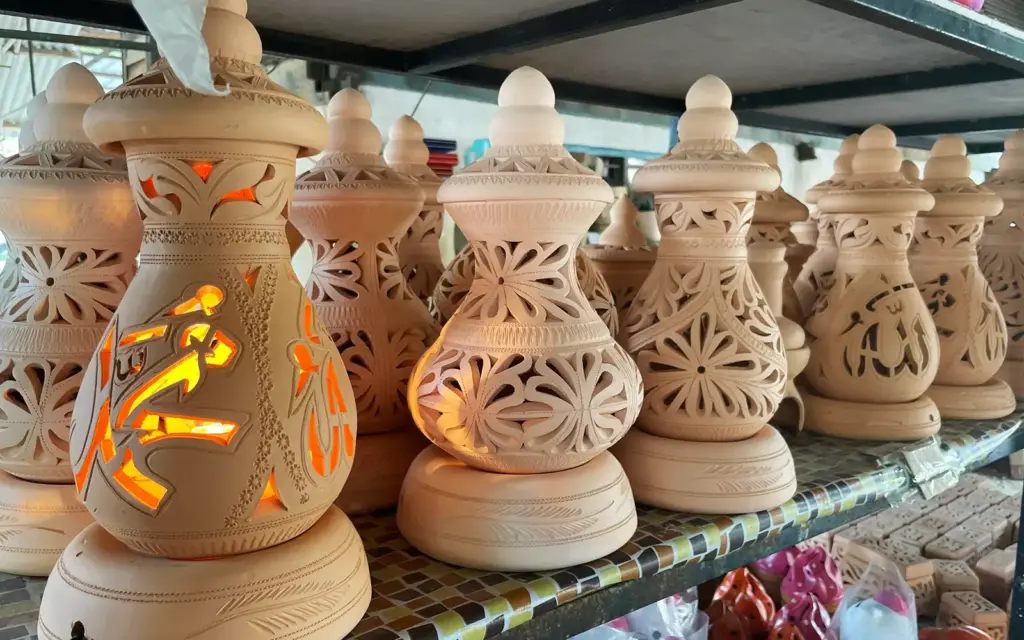
Kuala Kangsar is also home to a variety of cottage industries that reflect the creativity and identity of the local community. Traditional textiles, handwoven crafts, Malay delicacies, and locally produced goods can be found throughout the town, offering visitors opportunities to support local artisans and discover authentic products made with care.
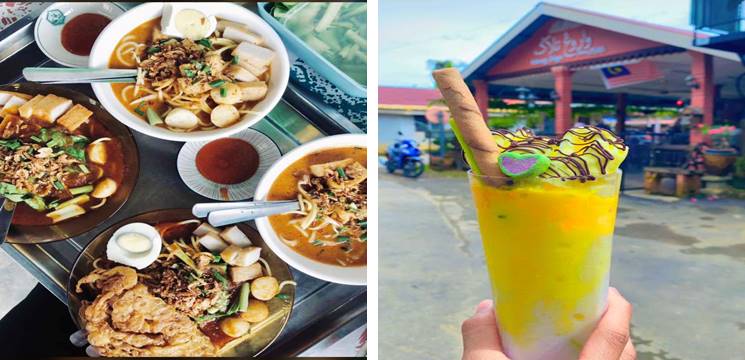
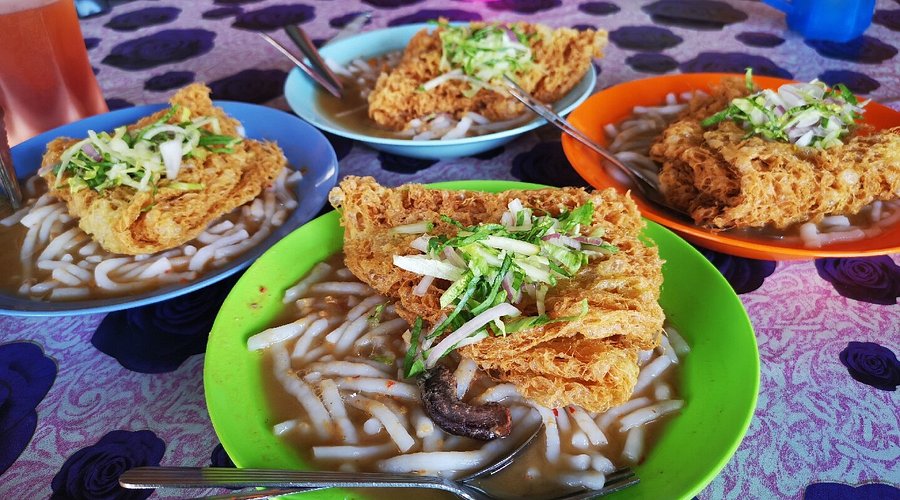
The town’s culinary offerings are equally worth exploring. From traditional Malay kuih and local snacks to classic Perak flavours, Kuala Kangsar provides visitors with a taste of the region’s food culture. Small shops, local markets, and family-run businesses add to the town’s warm and welcoming atmosphere, allowing travellers to experience the community beyond its famous landmarks.
A walk through Kuala Kangsar also reveals the town’s rich architectural character. Colonial-era buildings, old shophouses, heritage sites, and traditional Malay structures stand alongside modern facilities, creating a unique blend of past and present. This harmony gives Kuala Kangsar its distinctive charm, where history is not confined to museums but remains visible in the streets, buildings, and everyday rhythm of the town.
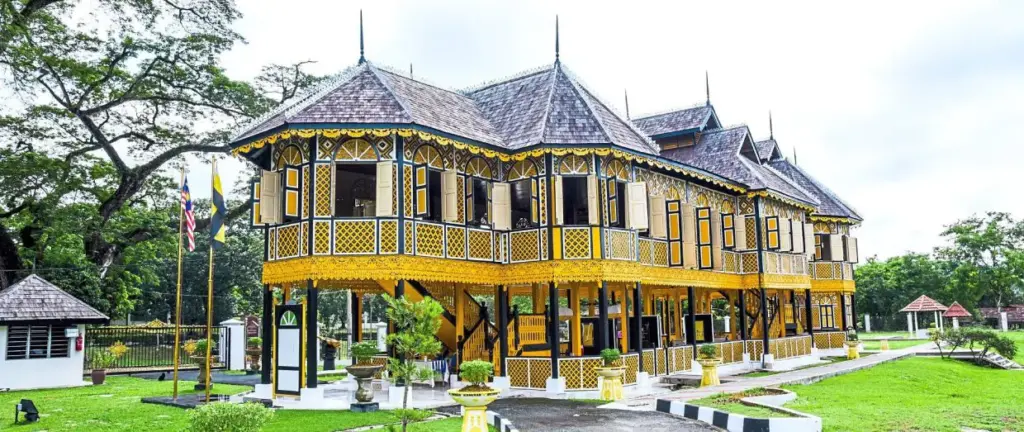
Another important landmark is Istana Kuala Kangsar, which adds to the town’s royal identity and historical significance. The palace area and surrounding landmarks offer visitors a deeper sense of the town’s connection to Perak’s royal heritage, making Kuala Kangsar an especially meaningful destination for those interested in Malaysia’s monarchy, traditions, and historical development.
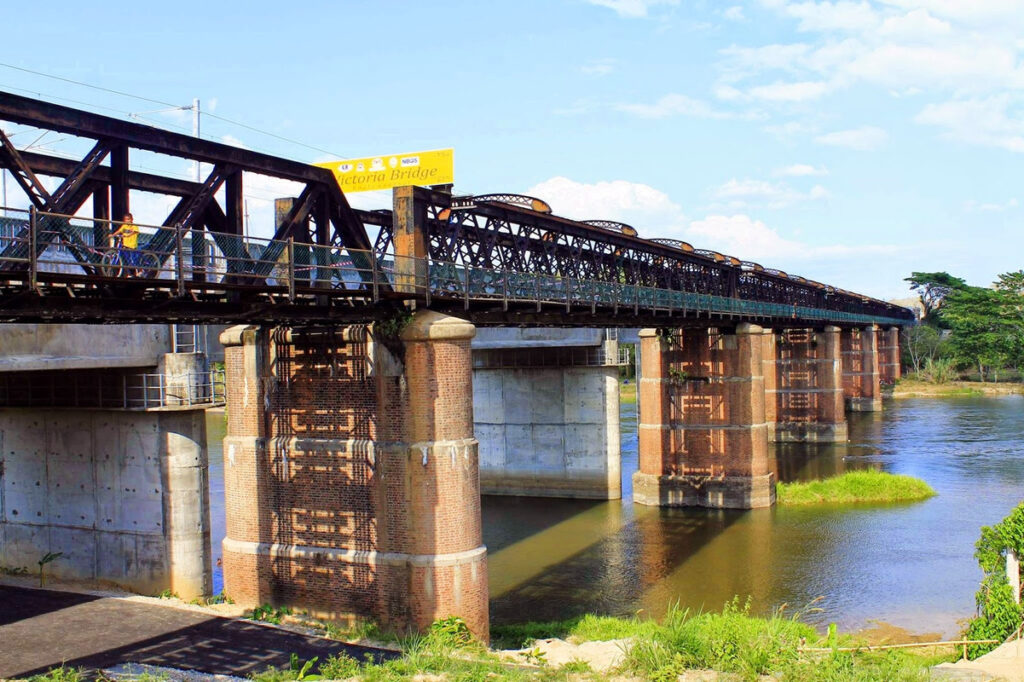
For visitors who enjoy scenic views and historical structures, the Victoria Bridge is another highlight worth discovering. This historic railway bridge is one of the town’s most recognisable heritage sites and reflects an important chapter in Malaysia’s transport and engineering history. Its distinctive iron structure, set against the natural surroundings of the Perak River, creates a memorable setting for photography and sightseeing..
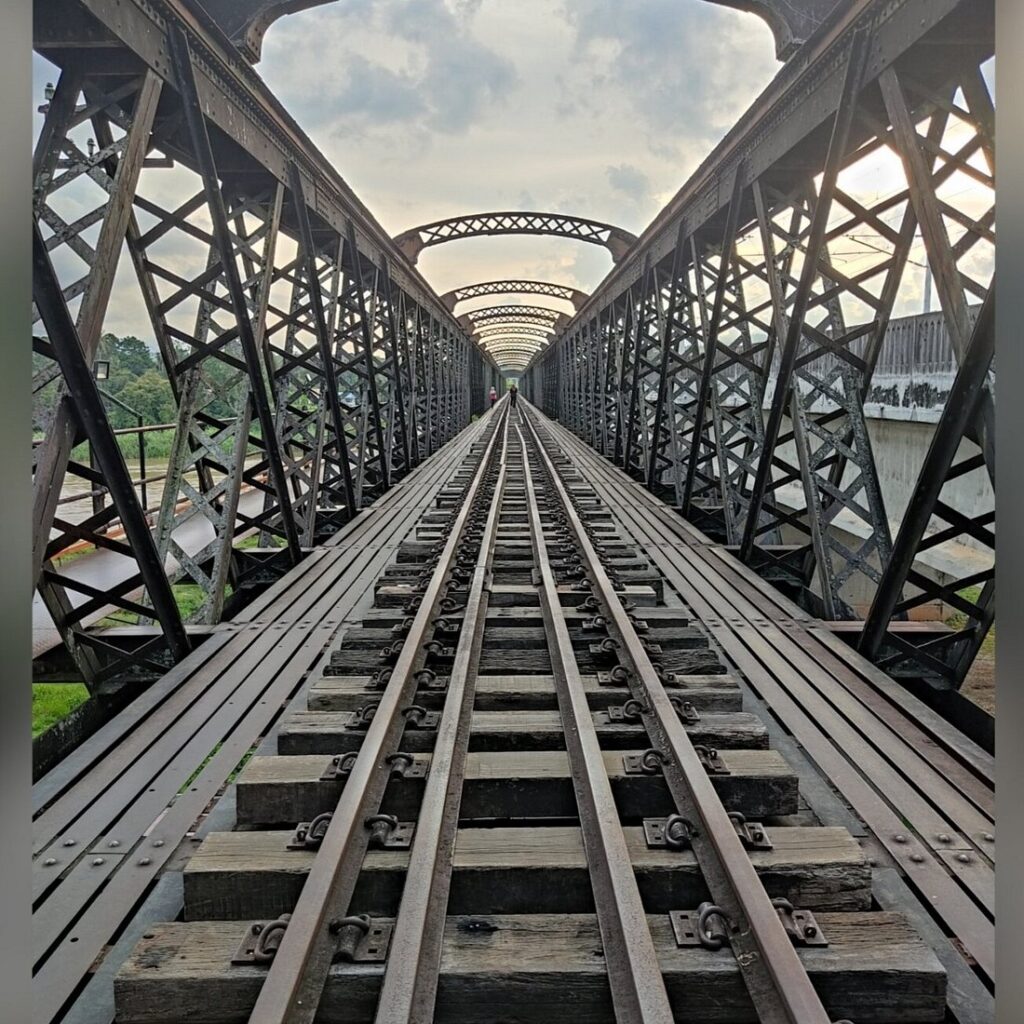
Nature lovers will also appreciate Kuala Kangsar’s peaceful riverside environment. The Perak River has long played an important role in the town’s development, supporting local communities and shaping the landscape around it. Today, the river adds to Kuala Kangsar’s calm and reflective atmosphere, offering visitors a welcome contrast to the fast pace of larger cities.
Whether it is enjoying a quiet riverside view, exploring heritage landmarks, visiting traditional craft workshops, or sampling local food, Kuala Kangsar offers experiences that feel genuine and personal. The town’s slower pace encourages visitors to take their time, speak with local residents, and discover the small details that make the destination special.
Kuala Kangsar is especially suitable for travellers who appreciate culture, history, architecture, photography, and traditional craftsmanship. It offers a meaningful destination for families, heritage enthusiasts, students, international visitors, and anyone looking to better understand Malaysia’s royal and cultural identity.
More than just a royal town, Kuala Kangsar is a place where the past continues to live in the present. Its palaces, mosques, crafts, local businesses, and riverside scenery reflect a legacy that has been carefully preserved while remaining part of everyday life.
From the golden domes of Ubudiah Mosque and the royal presence of Istana Iskandariah to the timeless artistry of labu sayong pottery and the charm of Victoria Bridge, Kuala Kangsar offers a journey filled with stories, tradition, and discovery.
For those planning a future visit to Perak, Kuala Kangsar is a destination that should not be missed. It is a place to experience Malaysia beyond the ordinary — through its royal heritage, local craftsmanship, warm hospitality, and the enduring traditions that make the town truly unique.